
The Village Archive.
Explore all our stories, updates, and perspectives from the life at ESM.

Individuality, Vulnerability, and the Meaning of Community
Individual freedom draws many of us to ecovillage life, but what turns a collection of independent people into a community? Drawing on Simone Weil’s ethics of attention, this reflection explores how recognizing our shared vulnerability can deepen belonging without diminishing individuality. At Ecovilla San Mateo, the everyday practice of noticing and responding to one another’s needs may be what allows both freedom and community to flourish.

The Cost of Sharing Our Village
Should owners who rent their homes contribute an additional share of rental income toward maintaining Ecovilla San Mateo? In this article we explore the arguments for rental fees, questions of fairness, and the potential costs for owners and neighbors alike. With the village still taking shape, we make the case for a two-to-four-year pause to gather evidence before introducing new financial obligations.

The Freedom We Came Here to Find: Building an Economy in Service of Life Without Recreating the Culture We Left Behind
Many of us came to Ecovilla San Mateo seeking more time, deeper relationships, and freedom from the pressure to constantly produce. Yet sustaining that dream can draw us back into the economic demands we hoped to leave behind. As we build an economy in service of life, how do we ensure that it protects our freedom rather than creates new dependencies? The answer begins with defining the life we want—and preserving the freedom to simply live.
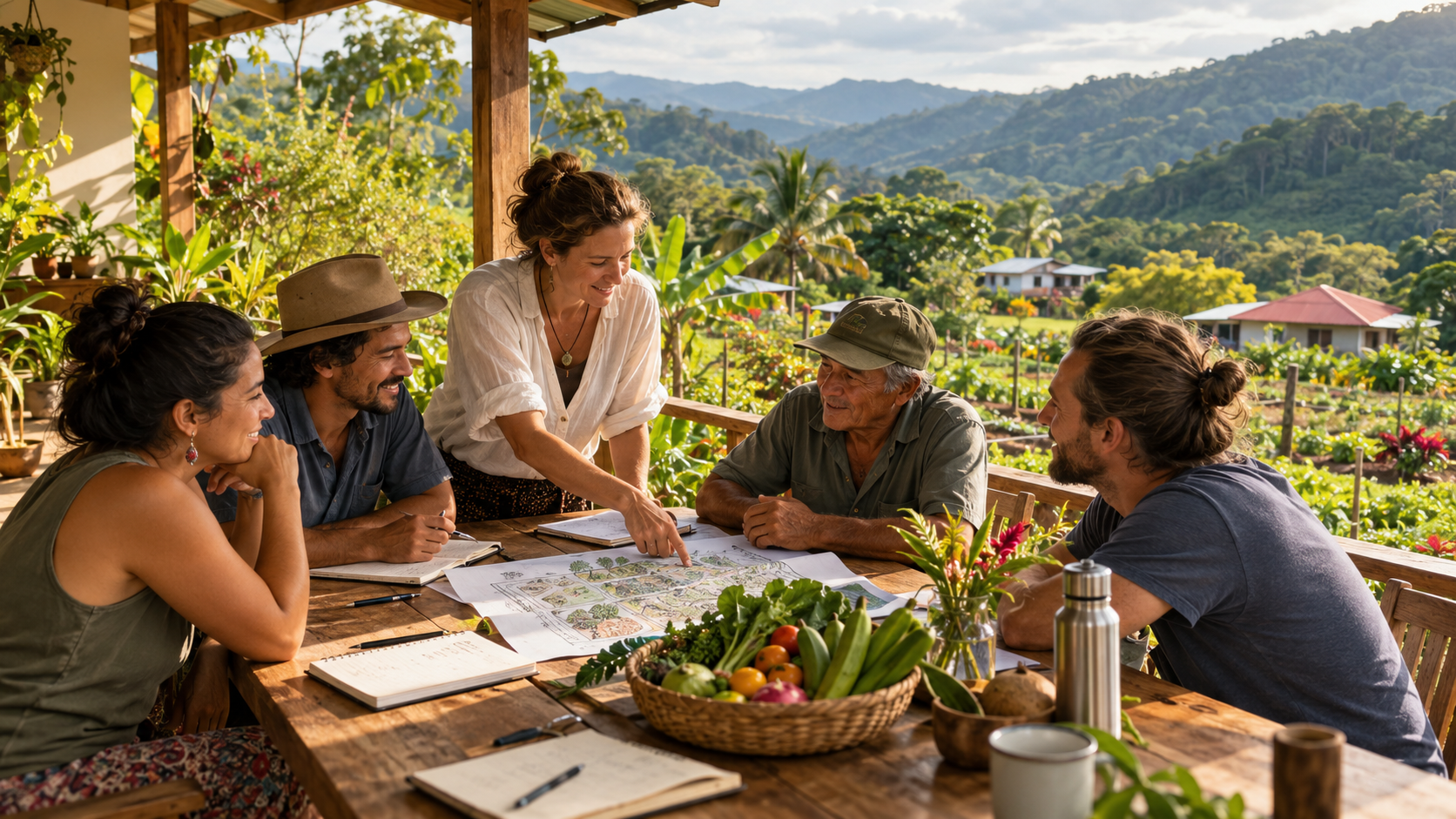
Machuca Valley: Building an Economy in Service of Life
Reprinted with the authors' permission, this essay opens a valley-wide conversation about how families in Machuca can build livelihoods here without choosing between purpose and stability. "Our economy, then, is not the end goal. It is infrastructure in service of a fulfilling life." Drawing on lessons from Mondragón and Preston, it asks what becomes possible when a territory organizes its economy around the life it wants to sustain.
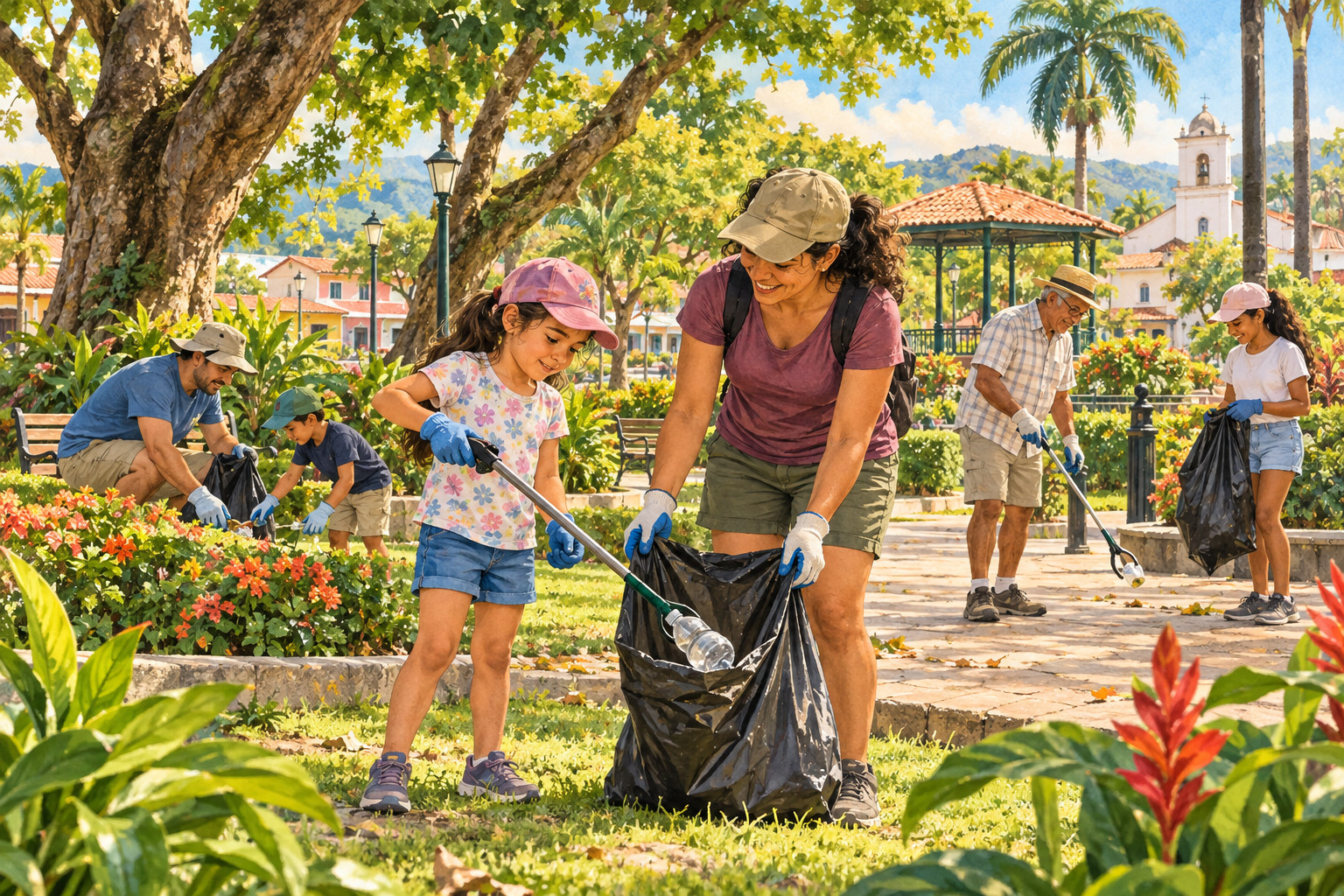
Here Is How I Can Help
“The next time we find ourselves saying, ‘The board should do something about that,’ perhaps we can add, ‘Here is how I can help.’” A reflection on how good ideas become real projects in a growing village, and the many ways neighbors can pitch in, from wherever they are.
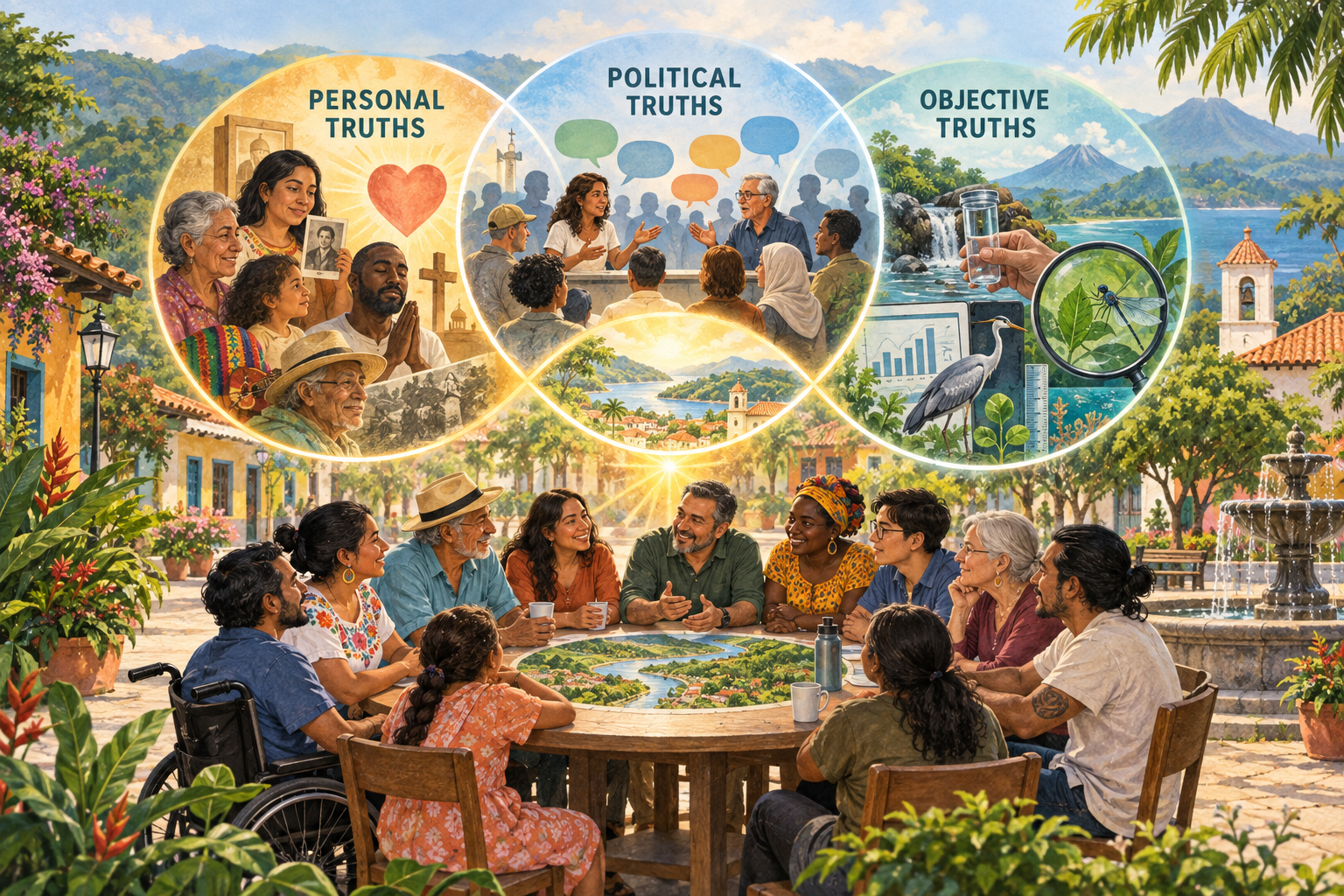
Three Kinds of Truth & the Common Ground Between Us
"We do not have to believe the same things to care for the same place." In the latest installment of our ongoing conversation about life in a village of many perspectives, In this article, Claudia breaks down personal, political and objective truth, and makes the case for why telling them apart matters more than ever.
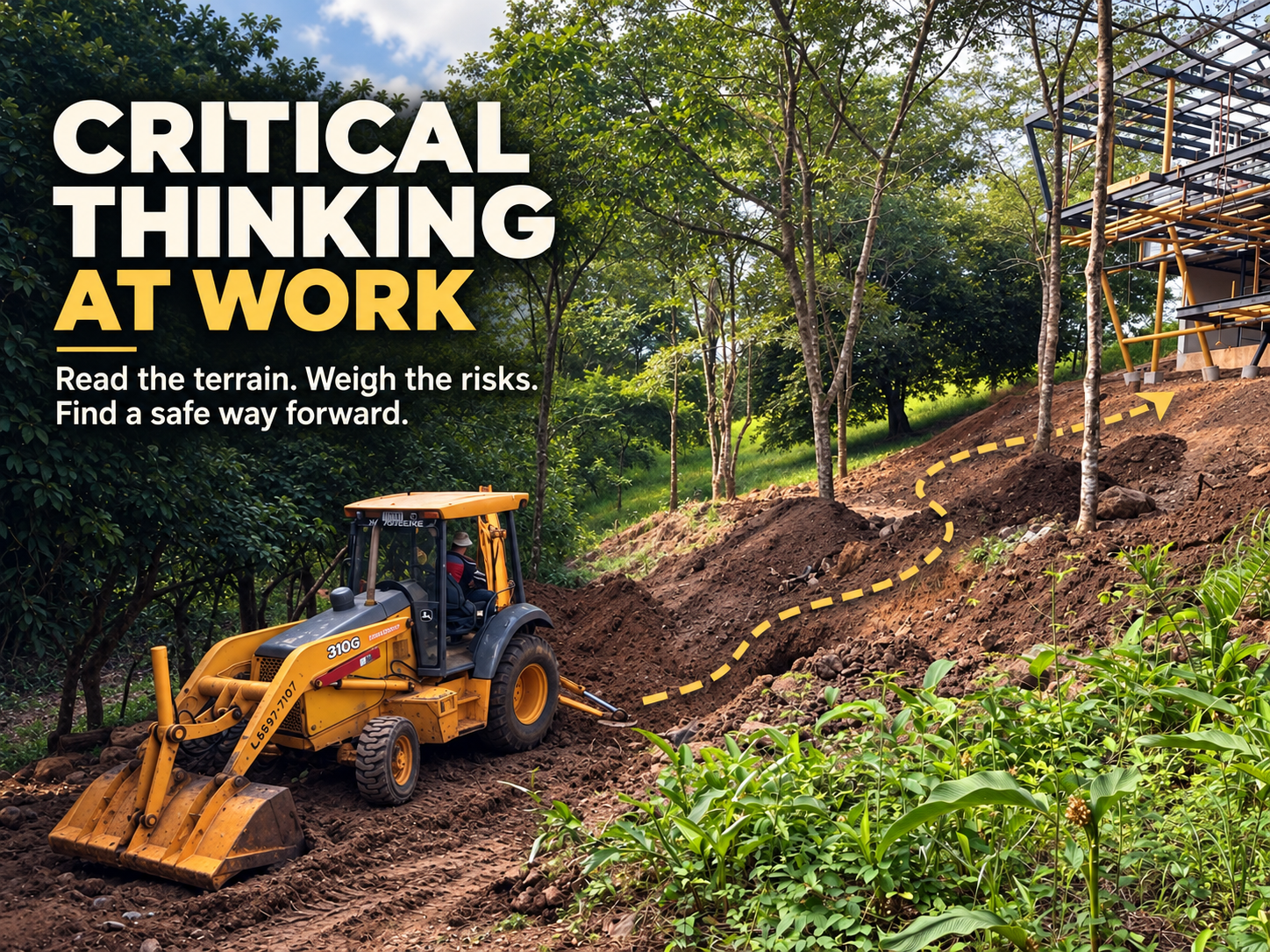
Curiosity With a Compass: The Art of Critical Thinking
When a hundred different perspectives share one village, information travels fast — and so do misunderstandings. In this piece, Claudia offers ten simple habits for pausing, questioning, and tracing a story back to its source before passing it along. It's a gentle reminder that staying curious is kinder, and more useful, than being certain.

Establishing the ESM Village
“ESM is building the plane while already in flight." Claudia Peña's discussion brief looks at how sales promises, informal practices, and the registered bylaws have started to diverge as the village scales toward 1,200+ residents.

Fist of Five: A Good Tool for the Circle, Not a Substitute for the Vote
Fist of five (some call it fist to five) is a handy way to gauge the room at a work day or committee meeting — but it's not a vote. Here's where the gesture comes from, how to use it well, and why real community decisions still go through the Junta Directiva or Assembly.

The Trellis: How Bylaws Support the Invisible Infrastructure of Our Village
"The bylaws provide the trellis. The invisible infrastructure is what grows upon it." Claudia Peña opens a new discussion series on ESM governance with this essay on how our bylaws relate to the human, informal side of village life — trust, tradition, belonging — and why good governance should support that growth rather than try to control it.