
The Village Archive.
Explore all our stories, updates, and perspectives from the life at ESM.

Puntarenas: The Port That Opened Costa Rica to the World
"Before it became a place to spend a Sunday, Puntarenas was a place where the country's future passed through, one shipment, one cart, and eventually one train at a time." From coffee carts and dockworkers to the Pacific railway and today's marine park, this look at El Puerto invites us to notice the history beneath the sea breeze on our next family outing.
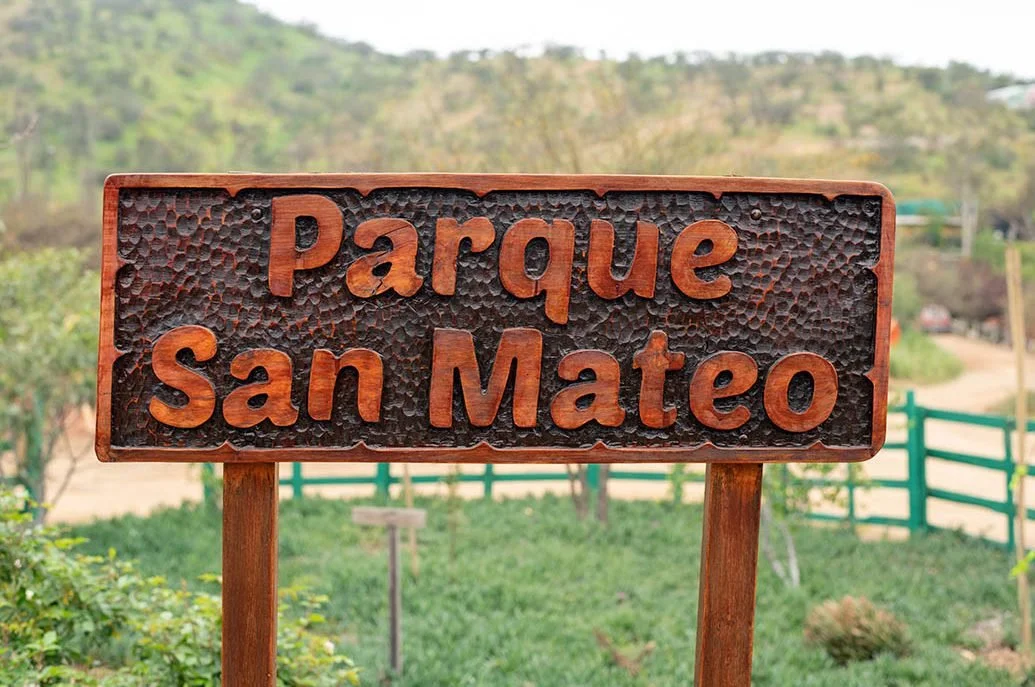
Still a Place to Rest: San Mateo at the Crossroads
Long before motorcycles lined up along the old Ruta 3, oxcarts hauling coffee to Puntarenas stopped in San Mateo to rest for the night. "Hospitality isn't new to San Mateo. It's the town's founding business." A look at our town's history as a crossroads, and how it can stay a place worth stopping in as it grows.
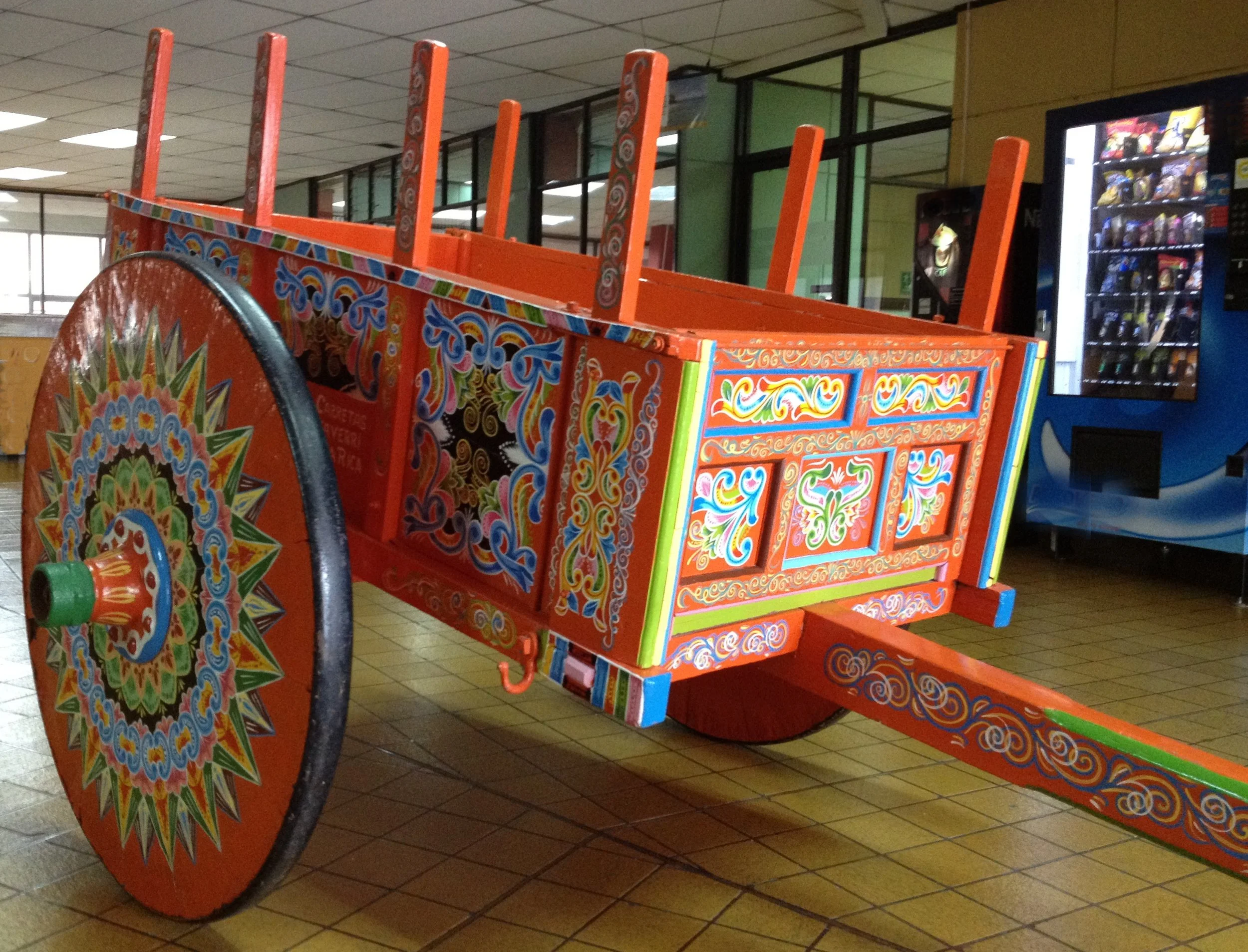
In Good Company: Costa Rica's Artists and Our New Art Workshop
Our new weekly art workshop has kids and parents alike rediscovering the joy of making something with no rules and no grade. To celebrate, we're meeting the Costa Rican artists who came before us, from the painters of the campo to the oxcart makers of Sarchí and the mask carvers of Boruca. Their stories, plus a few ideas to borrow for our own tables, remind us we're in good company.
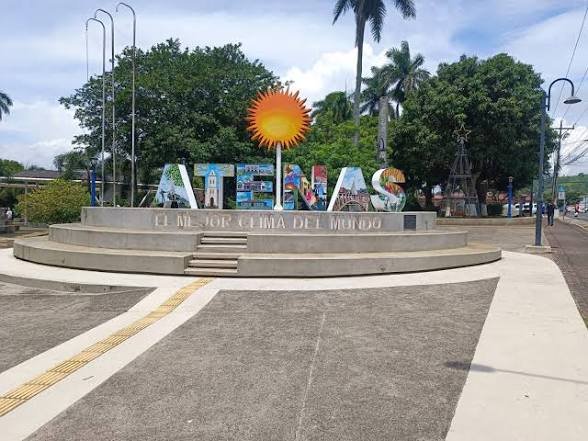
Atenas: Is the Weather Really Perfect?
Everyone repeats the claim that National Geographic once named Atenas the town with the best climate in the world — but tracking down the actual source proves surprisingly hard. This week's feature digs into the legend, the coffee-route history behind La Y Griega's ox-cart monument, and why so many San Mateo neighbors still make the 30-45 minute trip up the hill.

Is There Really Gold in Orotina?
Oro means gold in Spanish, so it's a fair guess — but that's not actually how Orotina got its name. The real story runs through a Chorotega chief, a centuries-old geographical mix-up, and a genuine gold rush that once played out just next door in San Mateo. Grab a gold pan and read on — you might just learn something about the ground under your own feet.

The Tracks Through Orotina
You've driven past those tracks in Orotina a hundred times — but do you know the story behind them? When the Ferrocarril al Pacífico reached town in 1902, it turned a small settlement into a bustling transportation hub, and helped set it on the path to becoming its own canton just six years later. Take a look at how the railroad helped build the Orotina we know today.